
Program Information - Art History
Mission
The Art History Program fosters a dynamic research and learning environment for the study of global art practice, past and present. Our mission is to advance scholarly research and knowledge of art and visual culture within an interdisciplinary framework of diverse theoretical perspectives and methodologies. The program prepares students for advanced academic study and a broad range of professional careers. Students develop skills in thinking and communicating critically through rigorous academic coursework, focused seminars, scholarly research projects, and community-engaged internships.
Visual Intersections
Our initiative, "Visual Intersections," lies at the core of the Art History Program. The interdisciplinary visual studies project was conceived to examine the histories of visual and material culture through rigorous contemporary approaches to the production, use, and interpretation of images and visual representations across media and contexts.
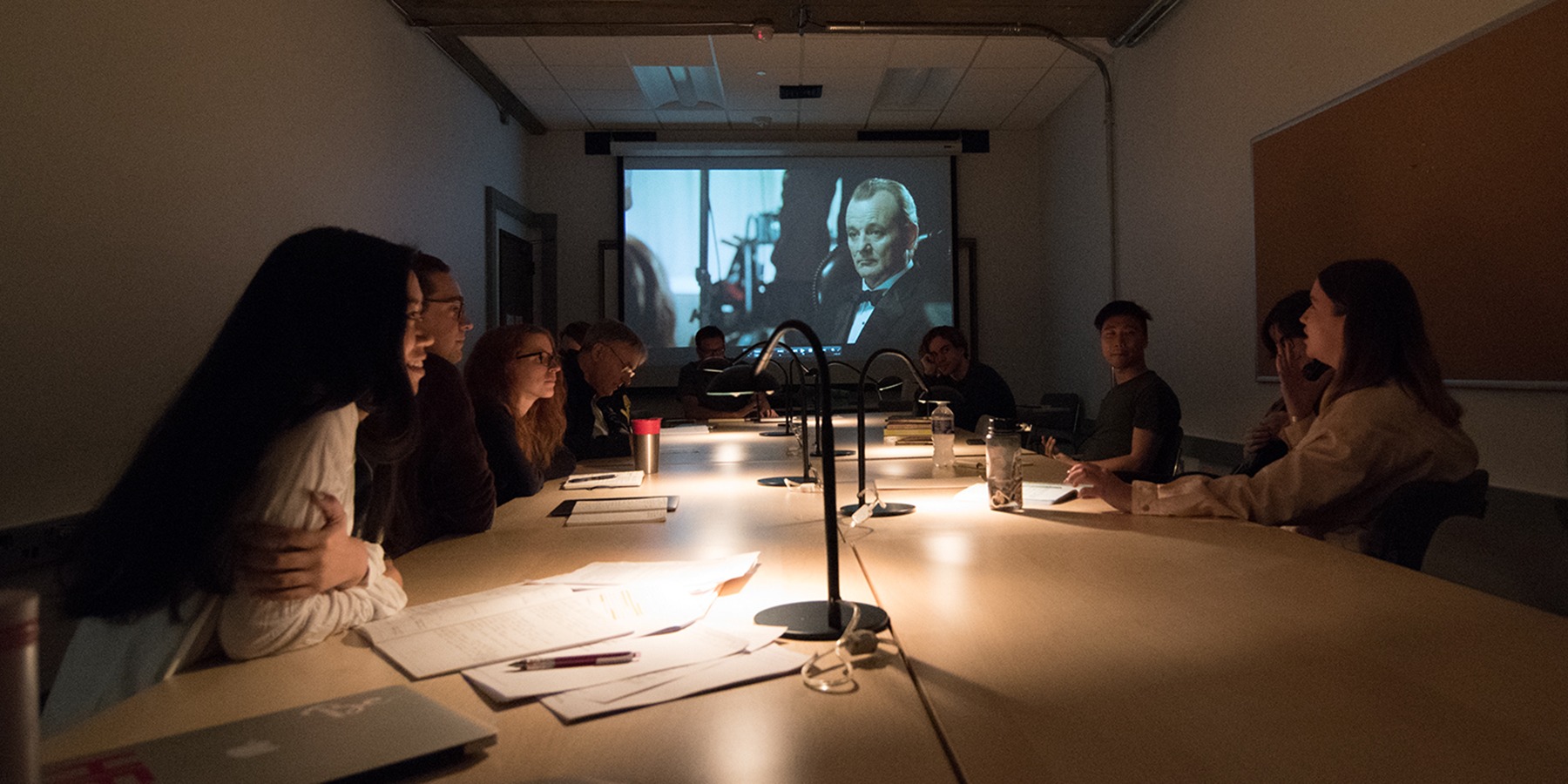
For graduate students, we have designed Visual Intersections: Critical Approaches to Art and Visual Culture, a seminar open to graduate students across the university. Through key theoretical texts and a series of historical and contemporary case studies, Visual Intersections questions the scope of image and technologies of representation as manifested in the fine arts, performance, advertising and design, film, television, video and digital media. Recent seminars have focused on themes such as:
- The Digital Age
- Land Art, Earthworks, and Experimental Geography
- The Uncanny
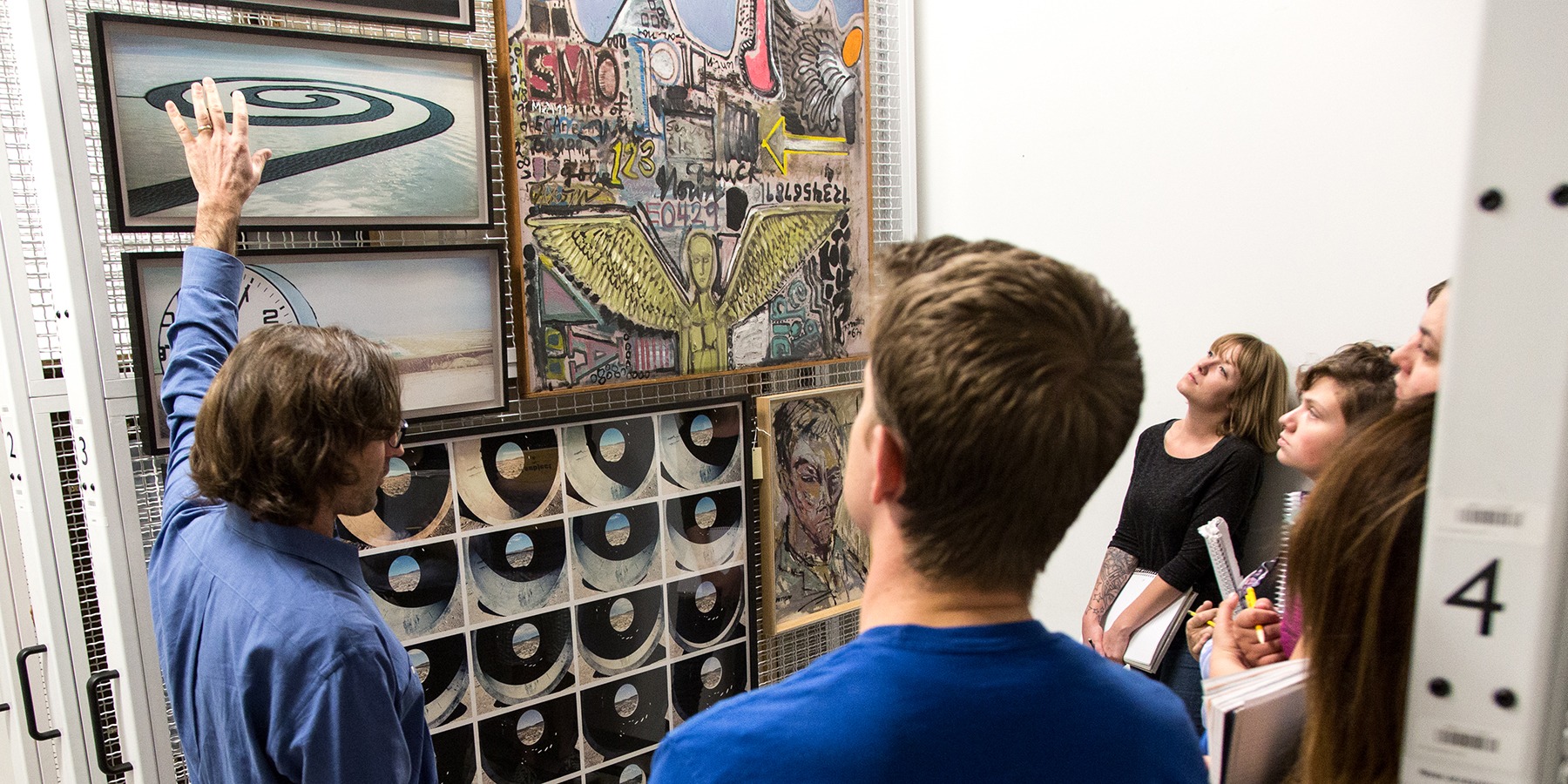
- Art in the Archive
- The Body as Image, Text and Process
- Ekphrasis
- Art and the Sublime
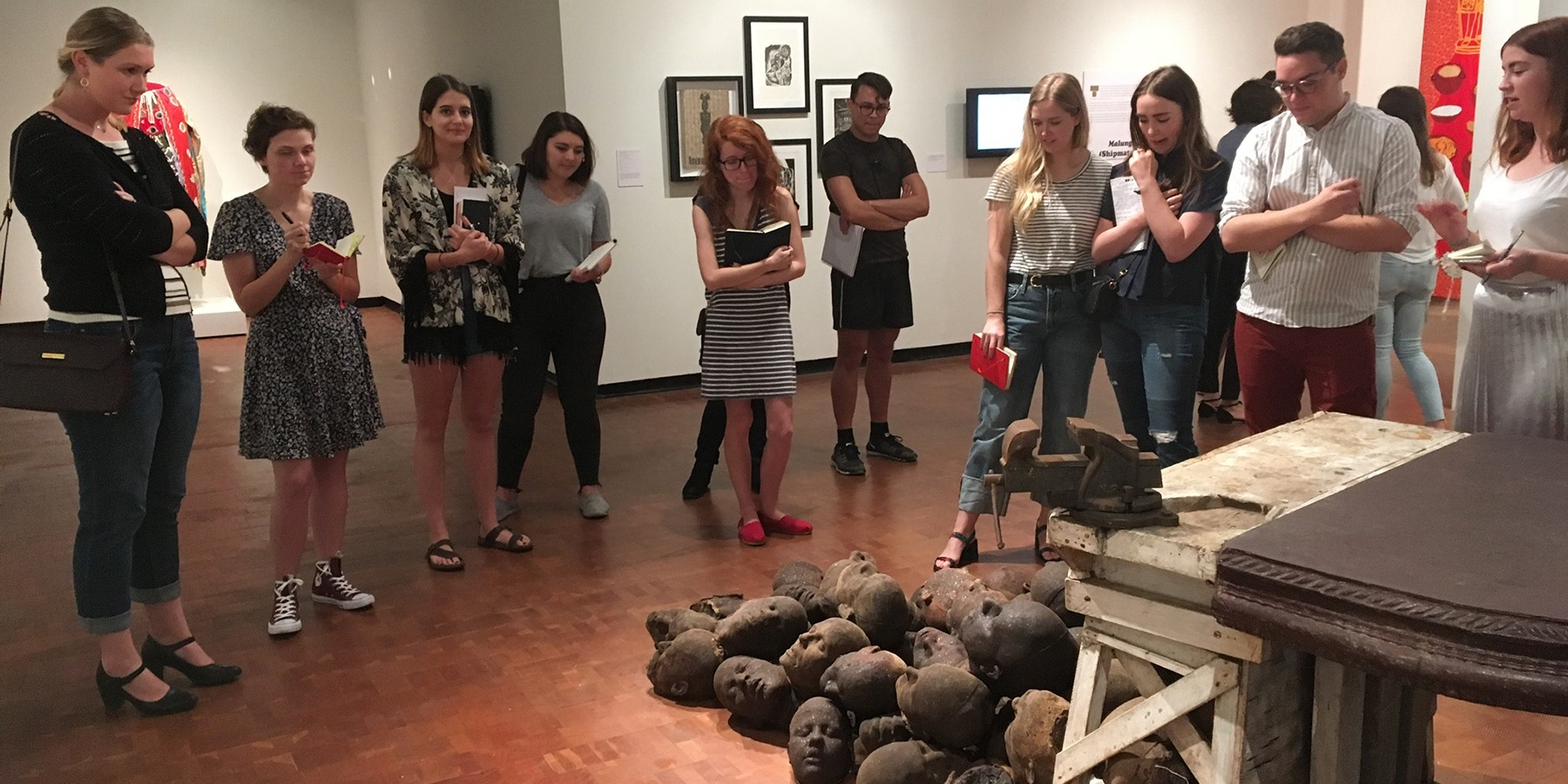
Innovative courses for undergraduate students have been developed through the Visual Intersections initiative. An undergraduate seminar, Good Looking: Writing about Art and Visual Culture, introduces art history students to reading, looking, and writing about art and visual culture. Students examine seminal theoretical texts that address scholarly perspectives on class, gender, race, the body, art and culture. The course is built around the practice of different types of art historical writing. At the end of the undergraduate major's academic career, seminars, designed as capstone experiences, have been developed for research-intensive inquiry. Students can engage with art historical discourses on themes such as vision and visuality and contemporary global art, among others, while also honing their critical skills in critical reasoning and effective communication.
For any questions regarding the Art History Program, please contact Professor Lela Graybill, lela.graybill@utah.edu
Additional Information
– BA Program
– MA Program
– Financial Aid and Scholarships
External Links
– Art History News & Events
– Art History Facebook Page
– Art History Twitter Feed
– Art & Art History Teaching & Research Image Database